If you have typed any variation of "why won't my baby sleep" into a search engine at 3am, you already know the problem. The results are contradictory, often alarming, and almost always written for a hypothetical baby who bears no resemblance to the one in your arms. This article is an attempt to do something different: to explain what the research actually says, in language that makes sense when you are running on four broken hours.
The first and most important thing to understand is that infant sleep is biologically different from adult sleep, and that difference is not a flaw. Newborns spend roughly half their sleep time in what researchers call active sleep — a lighter, more easily disrupted state that serves a genuine developmental purpose, helping the brain process the enormous amount of information it is absorbing every waking hour. Frequent waking in the early months is not a sign that something has gone wrong. It is a sign that your baby's brain is working.
Safe sleep practices are worth understanding clearly, because the guidance can feel overwhelming when you first encounter it. The key points are straightforward: babies should sleep on their back, on a firm flat surface, in a room-temperature environment free from loose bedding, pillows, and soft toys. Room-sharing — having the baby's sleep surface in the same room as the parents — is recommended for at least the first six months. These recommendations come from decades of research into sudden infant death and they are robust. Following them does not require expensive equipment; a cot or Moses basket placed beside the bed is all that is needed.
Parents frequently ask us about sleep schedules and whether they should be trying to establish one. The honest answer is that rigid schedules are difficult to implement before around four months, because very young babies do not yet have the hormonal machinery to sustain predictable sleep-wake cycles. What parents can do from early on is build consistent pre-sleep cues — a feed, a brief calm period, a darkened room — that gradually help the baby's developing nervous system recognise that sleep is coming. This is not sleep training; it is simply pattern-building, and it is gentle enough to begin in the first weeks.
One of the things we hear most often in our sessions is that parents feel judged for whatever choice they have made. The parent who uses a dummy feels she should not; the parent who doesn't feels he is missing a trick. The parent who brings the baby into bed feels anxious about it; the parent who keeps the baby in a cot feels guilty about that too. We want to say plainly: families are different, babies are different, and the goal is not perfection — it is sustainable care for both the child and the adults who are raising them.
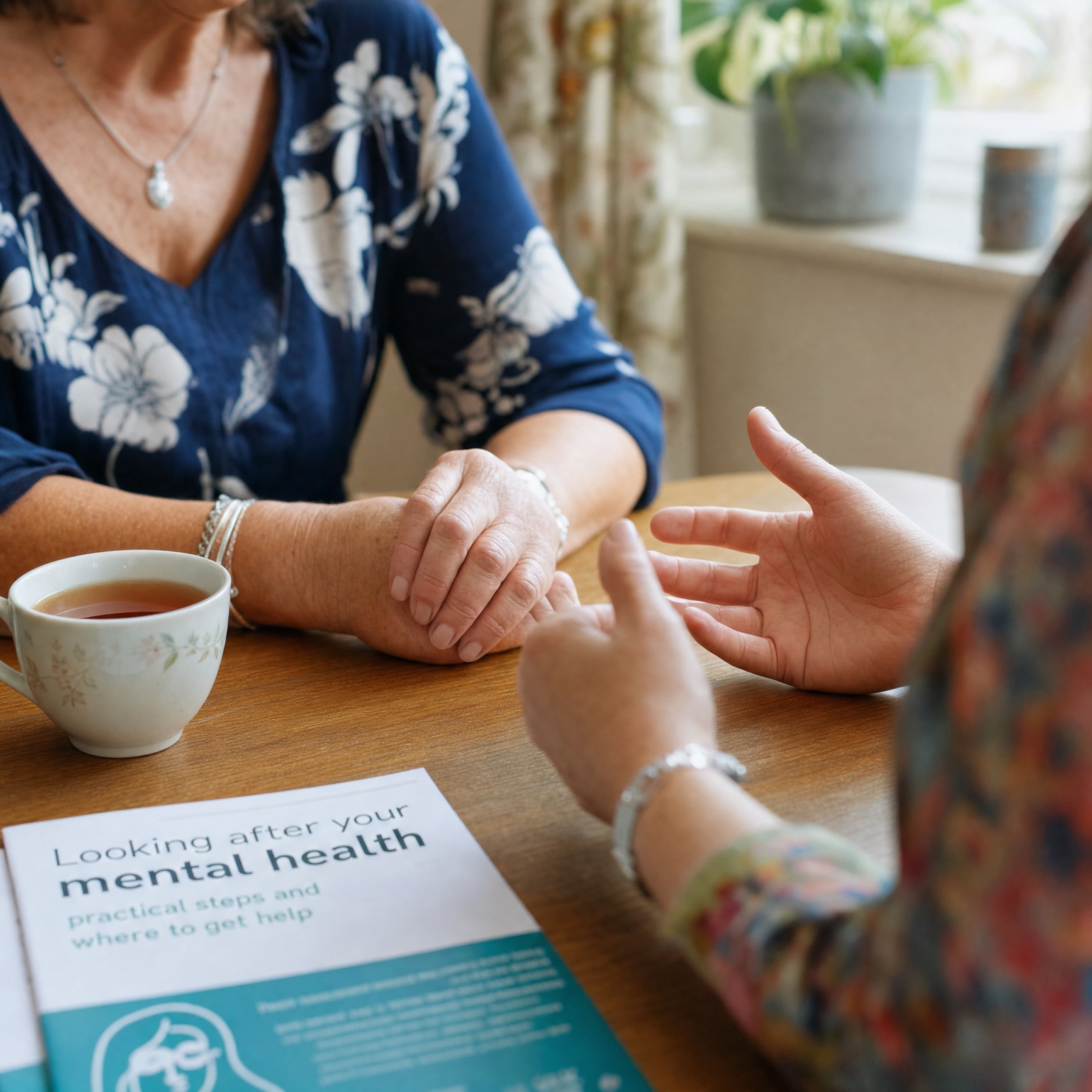
If your baby's sleep feels unmanageable, or if you are concerned about your own mental health as a result of sleep deprivation, those are conversations worth having with your health visitor or GP. Sleep deprivation has real effects on adult wellbeing, and asking for support is not a sign of failure. It is a sign of good judgement.
We cover infant sleep in depth at our wellbeing sessions, and we always leave time for individual questions. Come along — and in the meantime, try to rest when you can.